
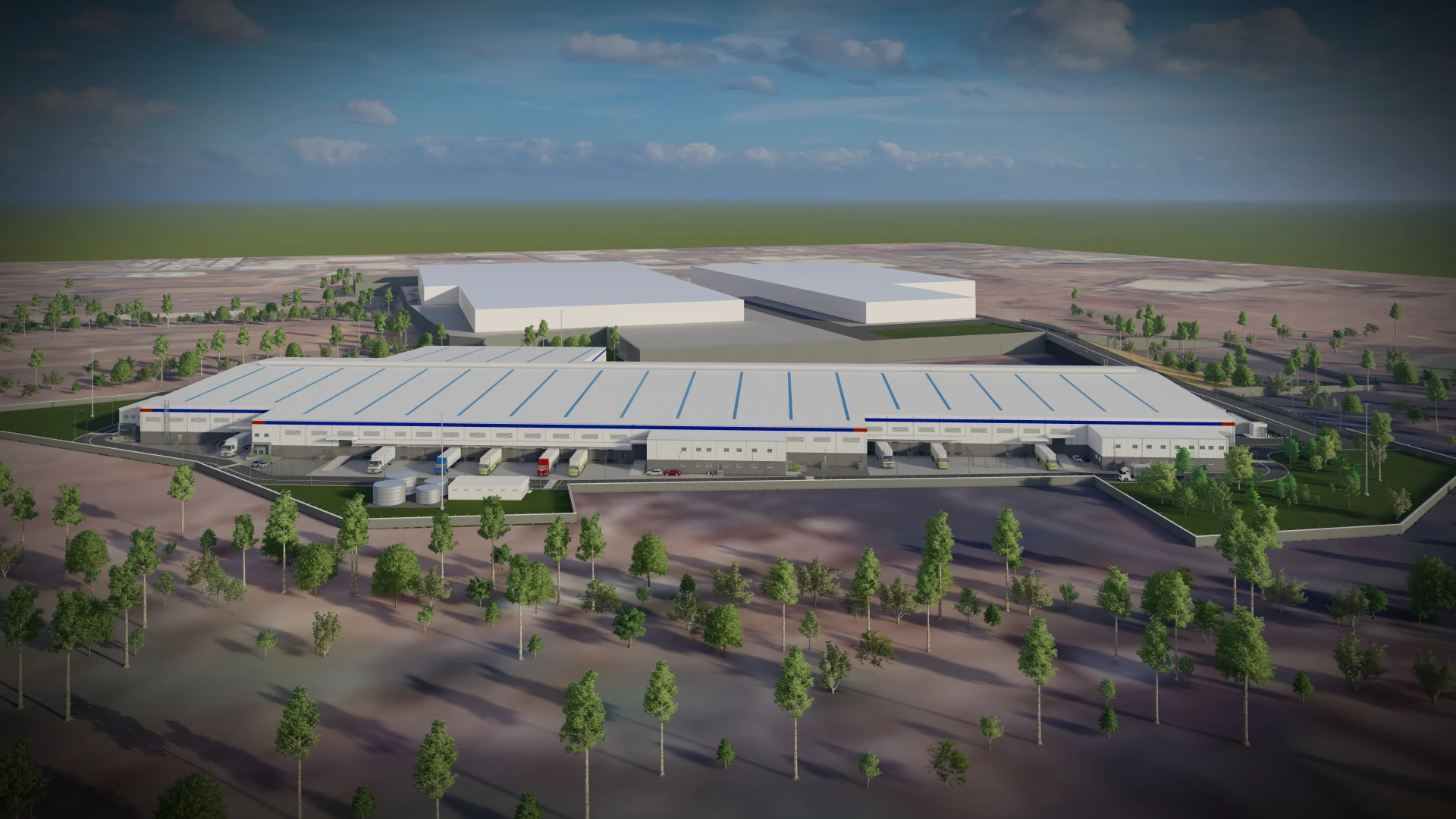
In-City Distribution Centre Delhi NCR, Built for the Instant Economy
Last-Mile Logistics
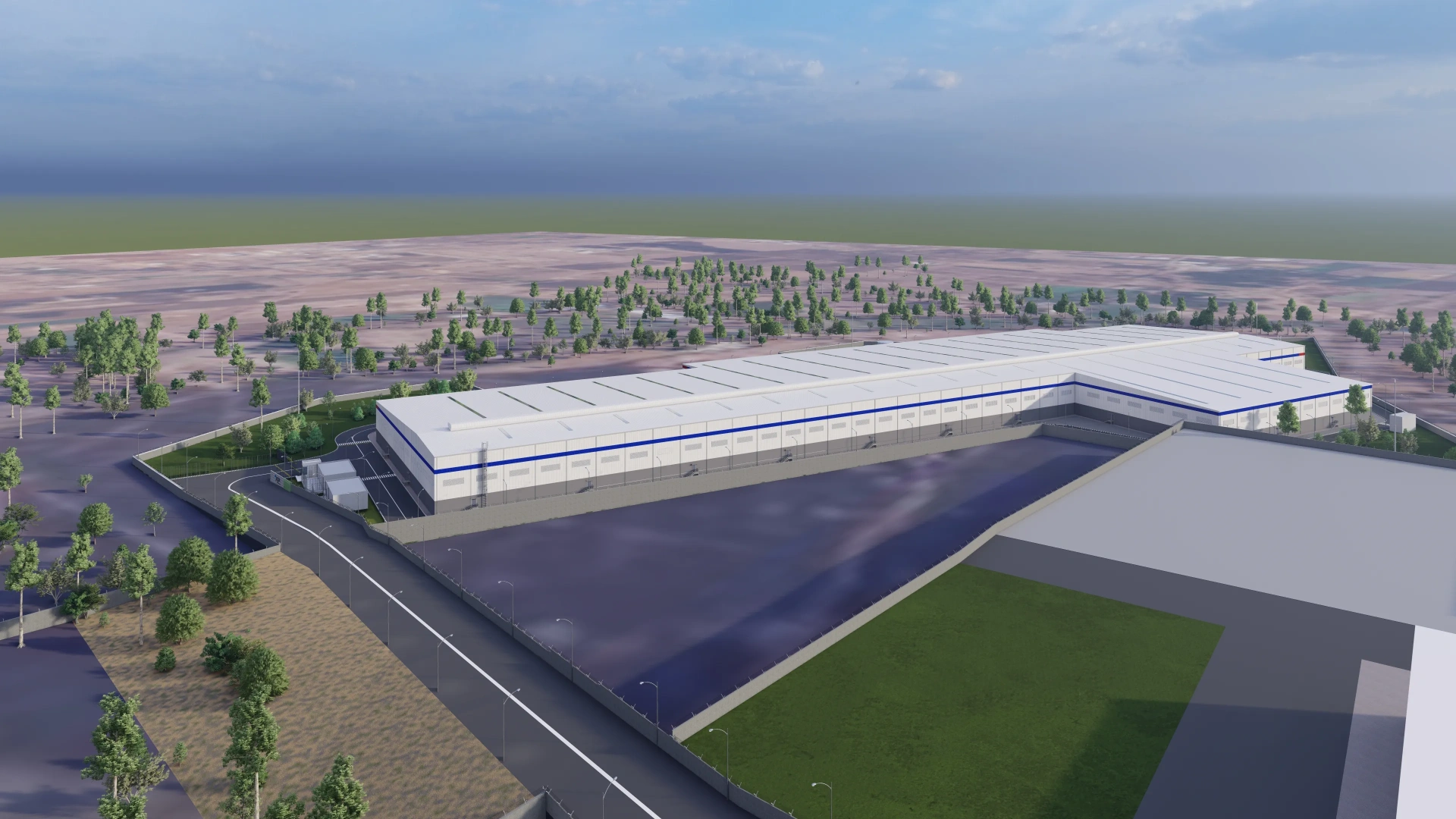
ESR Delhi UDC is a multi-storey, Grade A urban distribution centre purpose-built for next-day, same-day and quick-commerce fulfilment across the National Capital Region.
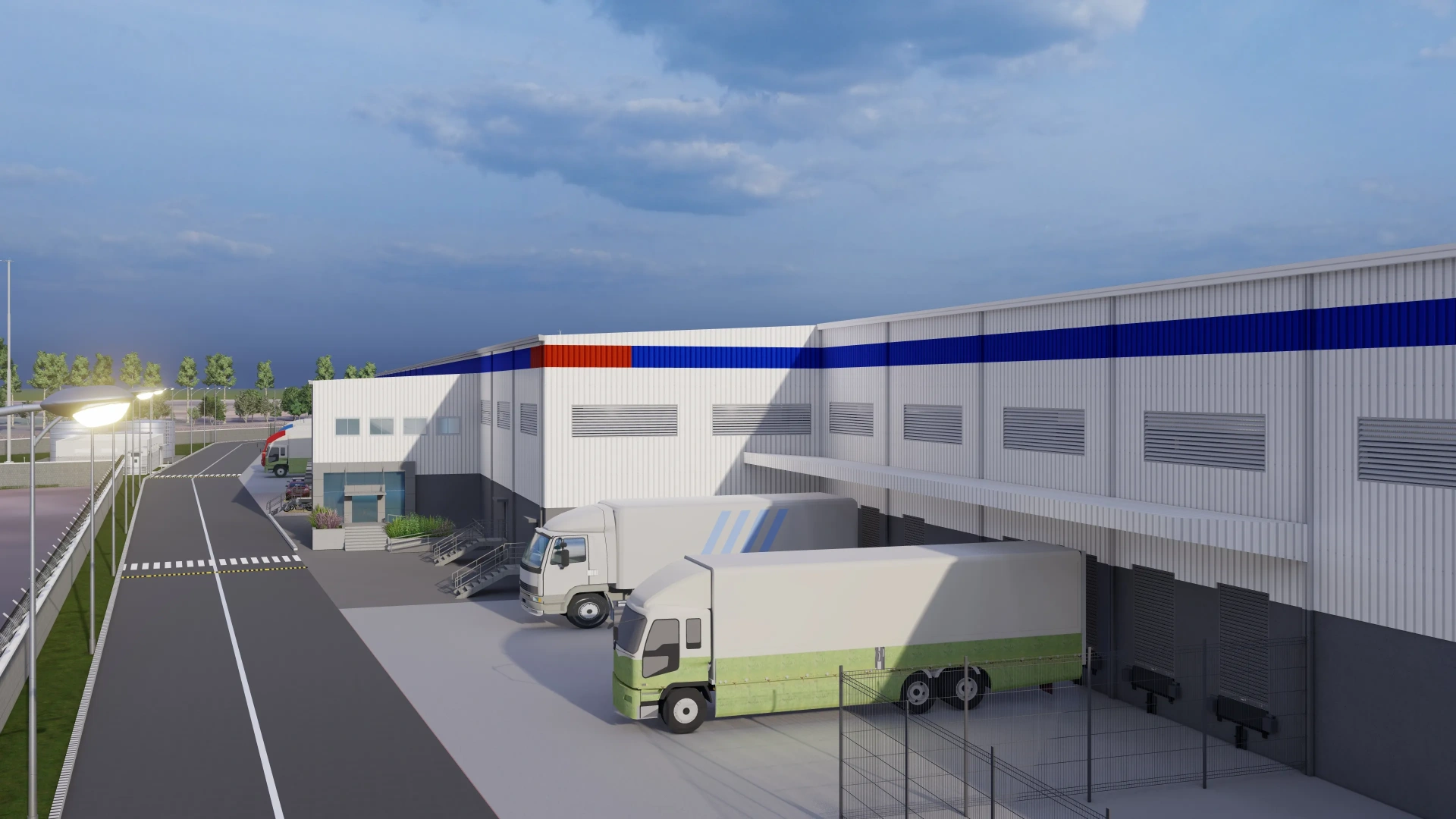
Why urban distribution is the new battleground
The bottleneck of the modern supply chain has shifted from long-haul transit to the last mile. Delhi NCR, one of the most affluent and densest consumption clusters in Asia, has tightened restrictions on heavy vehicles, making peripheral warehouses incompatible with 10-to-30-minute delivery commitments. The economics are stark: every 1 km of dead-mile distance adds roughly ₹5–8 per order at scale, which compounds catastrophically for low-AOV q-commerce.
An in-city distribution centre brings inventory inside the consumption catchment, drastically reducing 'dead miles', enabling 24×7 dispatch via small commercial vehicles and EVs, and supporting same-day quick-commerce SLAs. For larger regional volumes, pair the UDC with our regional hubs at ESR Sohna and ESR Jhajjar to run a true hub-and-spoke network where slow-movers sit upstream and fast-movers live in the city.
Beyond economics, urban distribution unlocks new SKUs entirely. Frozen, fragile and high-value categories that struggle on a 60-km outbound leg become commercially viable when the last hop is a 4-km e-bike ride. The retailer who controls in-city capacity controls the next category to launch.
-
Hyper-local reachDirect fulfilment for South, Central and East Delhi plus Noida and Gurugram.
-
Lower cost-per-orderShorter routes mean lower fuel, fewer dead miles and faster vehicle turns.
-
Fleet versatilityEVs, two-wheelers and small CVs that navigate city restrictions 24×7.
-
New SKU classesFrozen, fragile and high-value goods become commercially viable in-city.
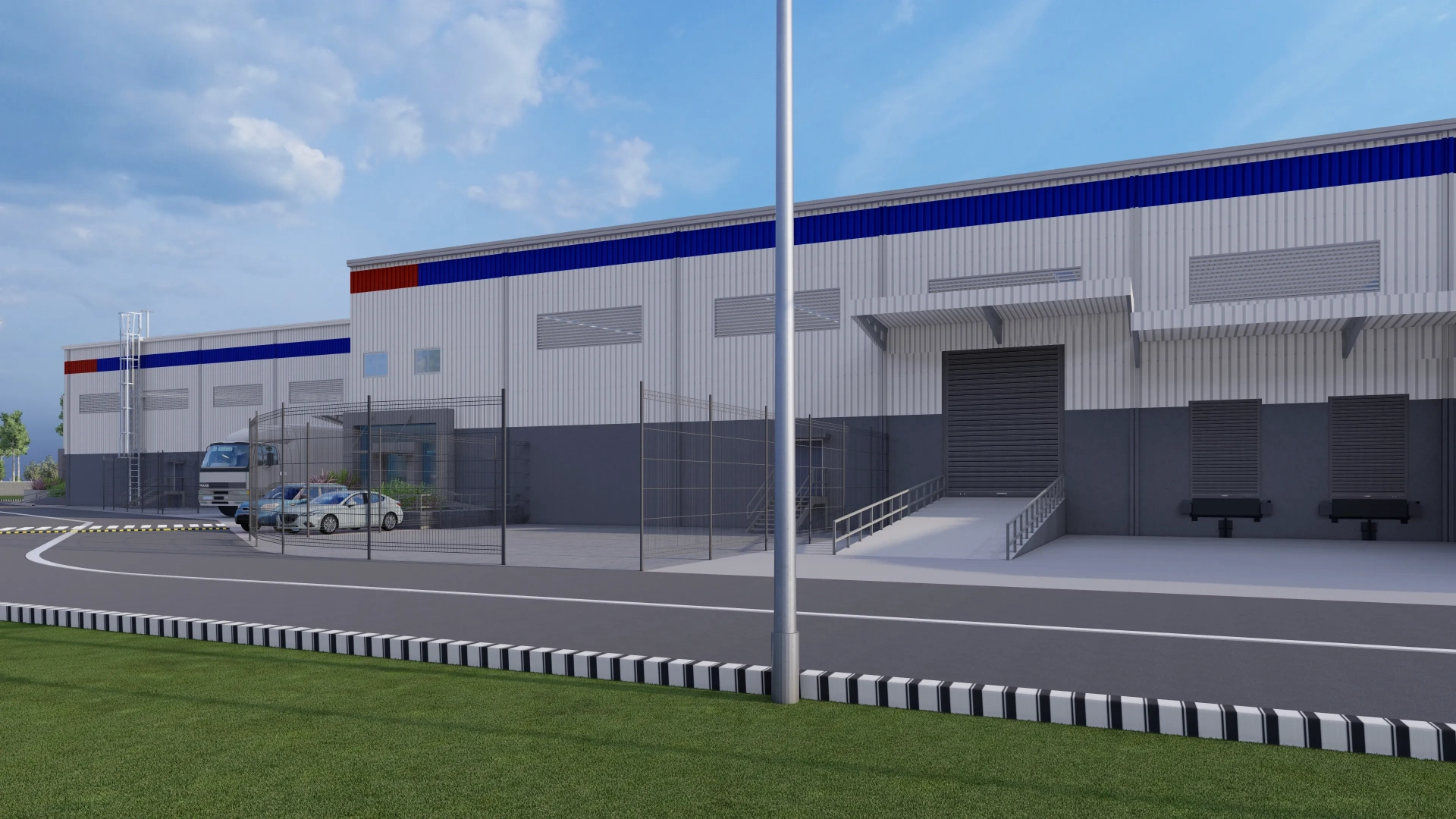
ESR Delhi UDC, vertical logistics, urban scale
Our Delhi Urban Distribution Centre is a multi-level facility designed to maximise cubic space where land is at its most expensive. Specialised ramps allow small and mid-sized commercial vehicles to access upper floors directly. High-strength slabs support dense pallet racking and fast-moving MHE.
The campus is wired for high-frequency operations, fibre-optic redundancy, real-time WMS integration, automated slot booking for delivery vehicles and dedicated EV charging bays for the last-mile fleet. Power redundancy is engineered for 24×7 operations, with DG back-up sized for full lighting, cooling and conveyor load.
Floor plates are intentionally modular so a tenant can take 25,000 sq ft today, scale to 80,000 sq ft on the same level next year, and bolt on a temperature-controlled mezzanine the year after. Vertical real estate is treated as a multi-tenant resource that flexes with your footprint.
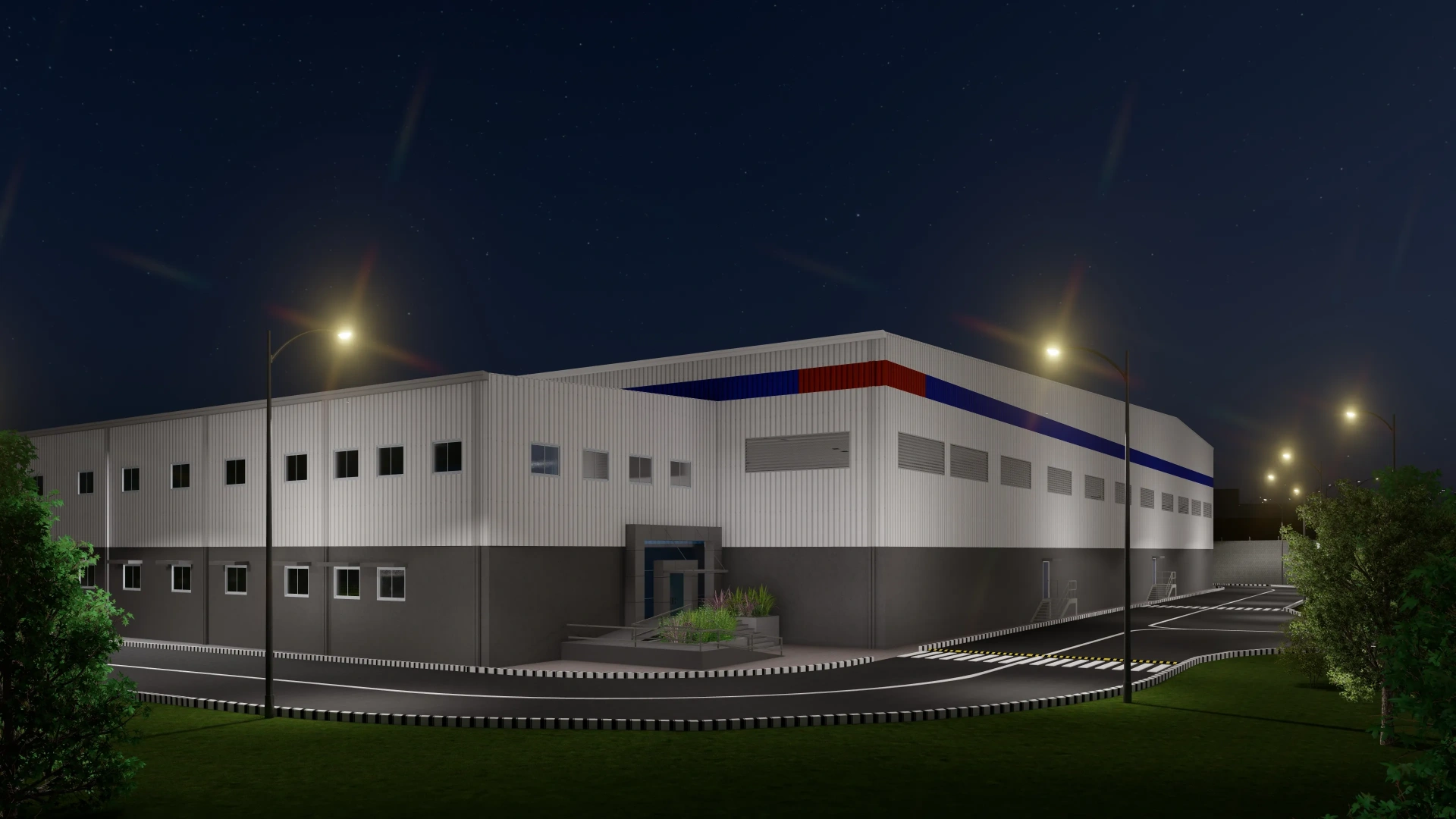
Smart yard, smart operations
Urban sites operate on minutes rather than hours. Truck Turnaround Time (TAT) is the single biggest lever on cost-per-order, and it is also the single biggest source of friction with municipal authorities and neighbourhood stakeholders.
ESR's UDCs use automated slot booking to prevent on-site congestion, hydraulic dock levellers for fast loading, and segregated flows for inbound and outbound vehicles. The result: dispatched in minutes, with full inventory visibility from hub to doorstep, and traffic flowing freely on adjoining roads.
Inside the building, the operating model is just as engineered. Dedicated zones for receiving, putaway, picking, packing and dispatch keep flows linear. WMS-driven slot allocation, dynamic re-slotting against demand patterns and integration with rider-management systems mean each square foot is constantly working at peak utilisation.
If you're building a multi-city quick-commerce footprint, also look at our warehouse for rent in Talegaon and warehouse for rent in Hosur for tier-1 city coverage, the same operating playbook scales across our Western and Southern hubs.
-
Slot bookingPre-assigned arrival windows prevent gate congestion and neighbourhood disruption.
-
Dock turnaroundHydraulic levellers and deep aprons cut load/unload time by 40%.
-
Live trackingFibre-optic ready facility with WMS + IoT integration for end-to-end visibility.
The green last mile
Last-mile delivery is the single biggest opportunity to decarbonise urban supply chains. ESR's Delhi UDC includes dedicated charging infrastructure for electric two-wheelers and three-wheelers, energy-efficient LED lighting, passive ventilation and IGBC-aligned green design, making your urban operations as eco-friendly as our regional sustainable logistics parks across India.
EV charging is engineered as a first-class utility from the master-planning stage. Dedicated parking-cum-charging bays, segregated power feeds and battery-swapping zones support the operating models of every major last-mile carrier in India. Solar PV provisioning on the roof can supply a meaningful share of that charging load, closing the loop from grid to wheel.
Why ESR for your urban logistics strategy
ESR brings world-class multi-level logistics expertise from markets like Tokyo, Seoul and Shanghai to the Indian ground. We identify 'white spaces' within the city that balance accessibility and consumer density, sites that other developers miss because they sit outside conventional industrial-zoning playbooks.
Our edge facility management team handles security, waste, traffic and compliance, letting you focus on delivery SLAs. The same team also manages community relations and municipal coordination, which is critical for sustained 24×7 operations inside city limits.
Pair the UDC with built-to-suit regional hubs to build a complete spoke-and-hub network across the country. ESR is the rare partner that can underwrite both the in-city node and the regional fulfilment centre that feeds it, under one master agreement and one accountable team.
Operating economics, what changes when you go in-city
The headline cost of in-city space is higher per square foot. The all-in cost per delivered order is meaningfully lower. That arithmetic only works if the building is sized, designed and operated for high-velocity dispatch, which is exactly what ESR's UDC is engineered for.
Smaller fleet vehicles, shorter trips, faster cycles and higher delivery density per rider drive cost-per-order reductions of 18–35% versus equivalent peripheral operations. Service-level metrics also improve: on-time delivery, first-attempt success and customer-experience NPS all move up. For premium AOV categories like electronics, beauty and fashion, that NPS improvement is directly tied to repeat-purchase rates.
ESR works with each tenant to model the unit economics during design, site, layout, dock count and EV-bay sizing are all engineered to a target cost-per-order rather than an SLA alone.
-
Cost per orderTypical 18–35% reduction vs peripheral fulfilment for equivalent SKUs.
-
First-attempt successShorter routes and live dispatch boost on-time delivery rates.
-
Modelled unit economicsDesign decisions tied to target cost-per-order from day one.
"The last 5 km defines whether you keep the customer. A vertical UDC inside the catchment is the only model that still pays at sub-30-minute SLAs."
— ESR India, Urban logistics team
Related parks
Explore parks aligned to this solution
Continue exploring
Related solutions and resources
FAQs
Frequently asked questions
Have a different question? Our team will get back within one business day.
Ask a questionTrusted by industry leaders across India
Get in touch
Own the last mile in Delhi NCR
Schedule a walk-through of ESR Delhi UDC and see vertical urban logistics in action.